Influencer Marketing Strategy: Guide for Brands in 2026
In today’s digital-centric world, customers trust other customers more than brands. As a result, consumers often scroll past advertisements but pause to engage with creators they relate to and trust. This shift has made influencer marketing one of the most effective growth channels for new-age businesses. However, brands cannot rely only on influencer partnerships. Instead, they must build a well-defined influencer marketing strategy that focuses on driving conversions. This blog post explains how brands can convert followers into customers by leveraging influence effectively. Furthermore, it explores key approaches such as building audience trust, collaborating with the right influencers, and tracking metrics that deliver real business outcomes. Ultimately, these strategies help brands turn engagement into measurable business growth.
Learn more about influencer marketing best practices from Forbes.
Influencer Marketing Strategy and Consumer Trust
We all agree that a friend’s recommended restaurant or a street food place hits different and is often better than some of those recommended by Google. In fact, this falls into influencer marketing only, as the true purpose of influencer marketing is influence and not only visibility.
Influencers sit at a unique intersection of content, community, and credibility. As a result, their audience listens because they feel a personal connection. When you align your brand with the right influencer and message, you tap into that trust and guide followers smoothly toward purchase decisions.
A conversion-focused influencer marketing strategy starts by asking one question:What action do I want the audience to take?
That action could be:
* Purchasing a product
* Downloading an app
* Signing up for a newsletter
* Visiting a website
* Using a discount code
Once you define the goal, everything else falls into place.

How to Choose the Right Influencers for an Influencer Marketing Strategy
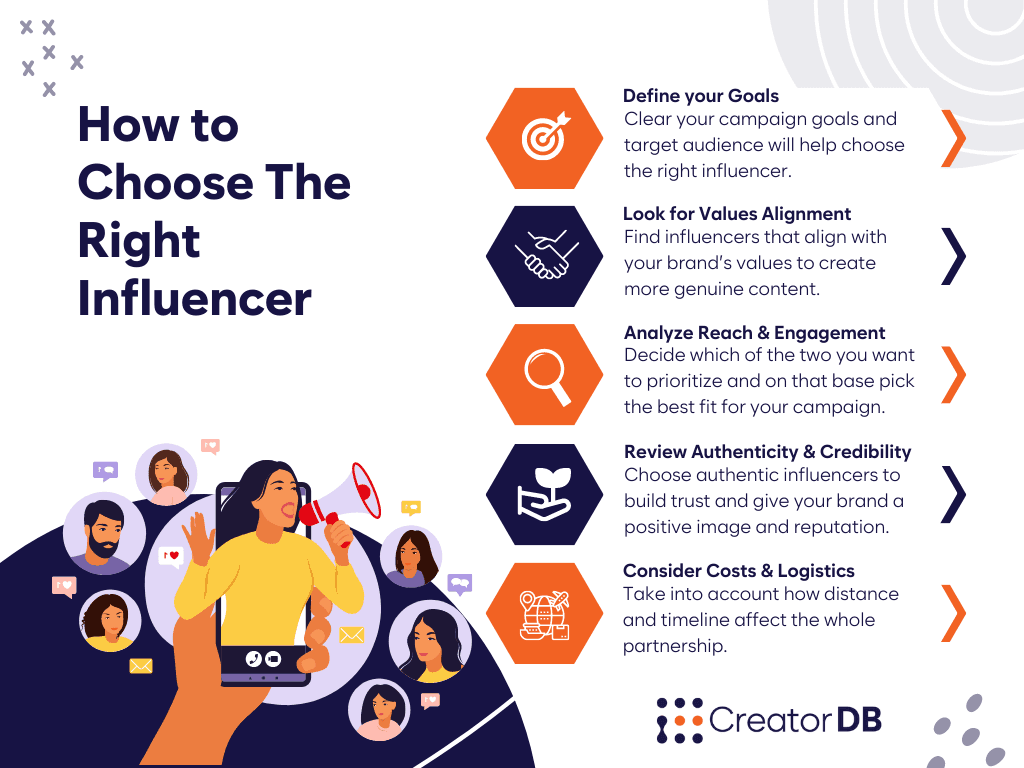
not every influencer can sell your products! even if they have millions of followers. relevance matters more than the reach!
To select the right influencers, brands should evaluate:
- Audience demographics and interests
- Engagement quality, not just numbers
- Content style and tone
- Brand value alignment
Micro and mid-tier influencers often generate higher conversion rates because their communities feel more personal and engaged. Their recommendations feel authentic, which directly impacts buying behavior.
A well-planned influencer marketing strategy always focuses on alignment rather than popularity.
Influencer Marketing Strategy for Authentic Brand Storytelling

Forced promotions fail because audiences recognize them instantly. To convert followers into customers, influencer content must feel natural and authentic.
Instead of giving rigid scripts, brands should empower influencers to tell their own stories. Creators understand their audiences better than anyone else. When influencers present a product in their own voice, they build genuine and trustworthy connections.
High-performing content formats include:
- Product-in-use demonstrations
- Honest reviews based on real experiences
- Day-in-the-life integrations
- Before-and-after transformations
- Story-based reels and short videos
Authenticity forms the foundation of every successful influencer marketing strategy.
How an Influencer Marketing Strategy Communicates Value
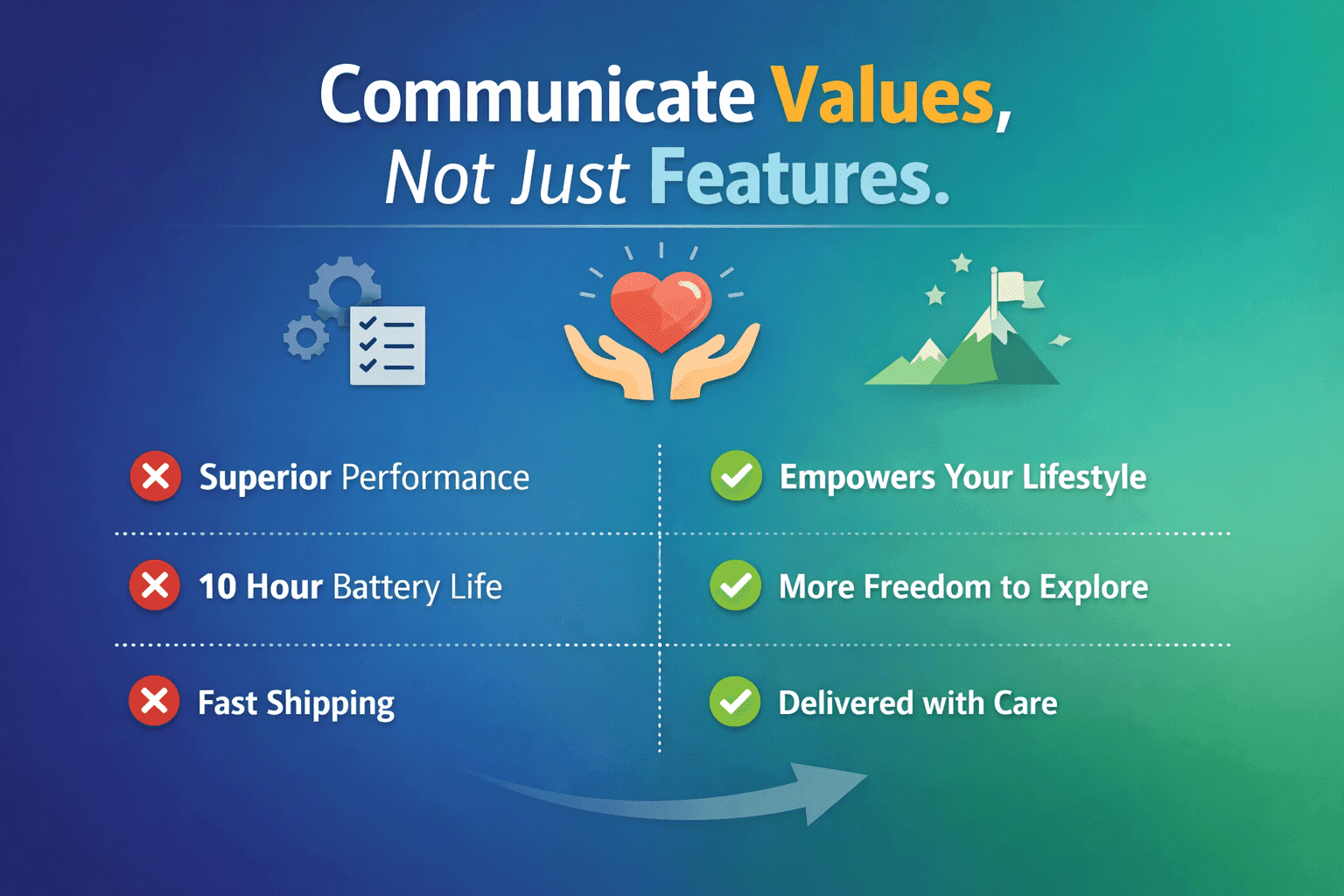
People do not buy products; they buy solutions. Influencer content must clearly communicate how a product improves the audience’s life.
Instead of listing features, influencers should explain:
- The problem the product solves
- How it fits into daily routines
- Why they personally use it
- What makes it better than alternatives
When followers understand the value, purchasing becomes a natural decision. A results-driven influencer marketing strategy always prioritizes value-driven storytelling.
Use Clear Calls to Action That Drive Results:
Even interested followers need guidance. Without direction, they scroll away.
Brands must include clear and compelling calls to action such as:
- “Use my code for 20% off”
- “Click the link in my bio”
- “Limited-time offer”
- “Try it now before it sells out”
Urgency combined with simplicity increases conversions significantly. A structured influencer marketing strategy removes friction and makes the next step obvious.

Leverage Social Proof in Your Influencer Marketing Strategy
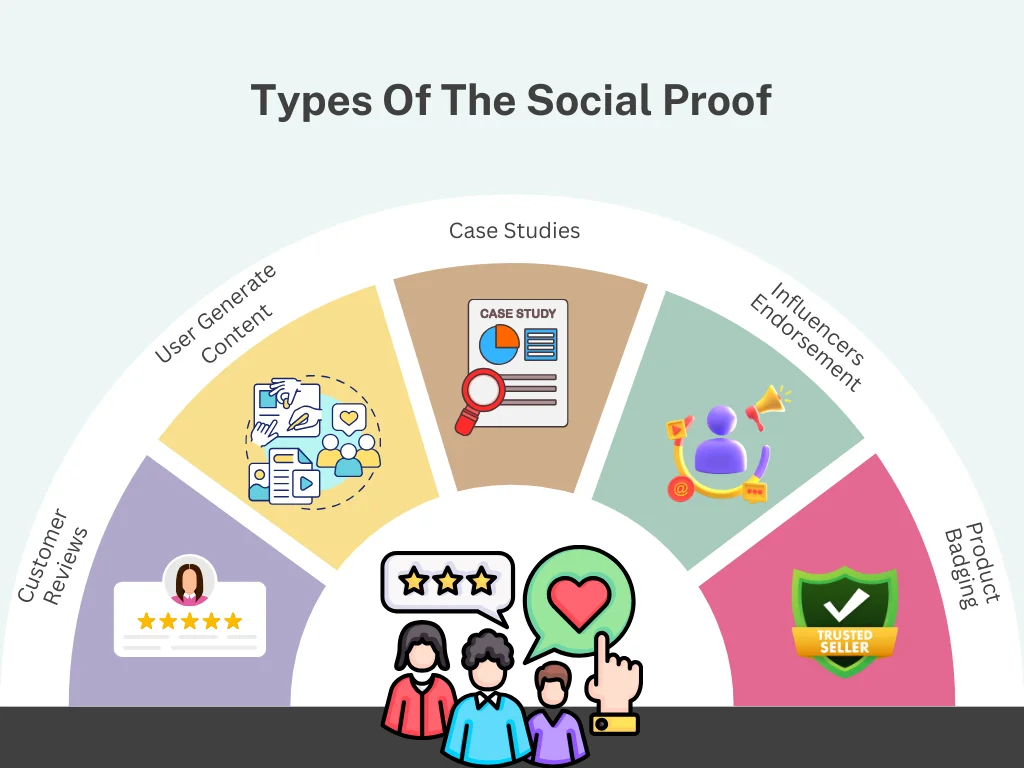
People trust what others trust. Social proof plays a major role in turning followers into customers.
You can strengthen your influencer marketing strategy by:
- Reposting influencer content on your brand page
- Sharing testimonials and reviews
- Highlighting user-generated content
- Showing real results and customer stories
When followers see others using and loving your product, hesitation reduces and confidence increases.
Track Metrics That Actually Matter
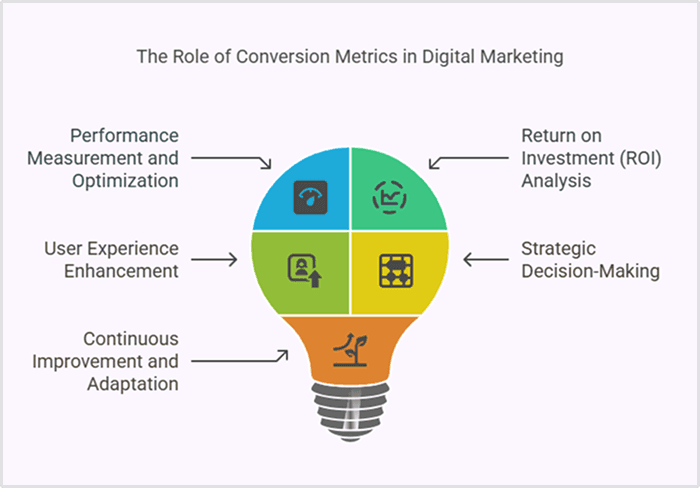
Likes and views feel good, but they do not pay the bills. To measure success, focus on conversion-based metrics.
Important metrics include:
- Website clicks
- Conversion rate
- Cost per acquisition
- Sales generated per influencer
- Discount code usage
- Email sign-ups
Tracking these numbers helps you identify which influencers and content styles drive real results. A data-driven influencer marketing strategy allows you to scale what works and eliminate what doesn’t.
Build Long-Term Influencer Relation- -ships:
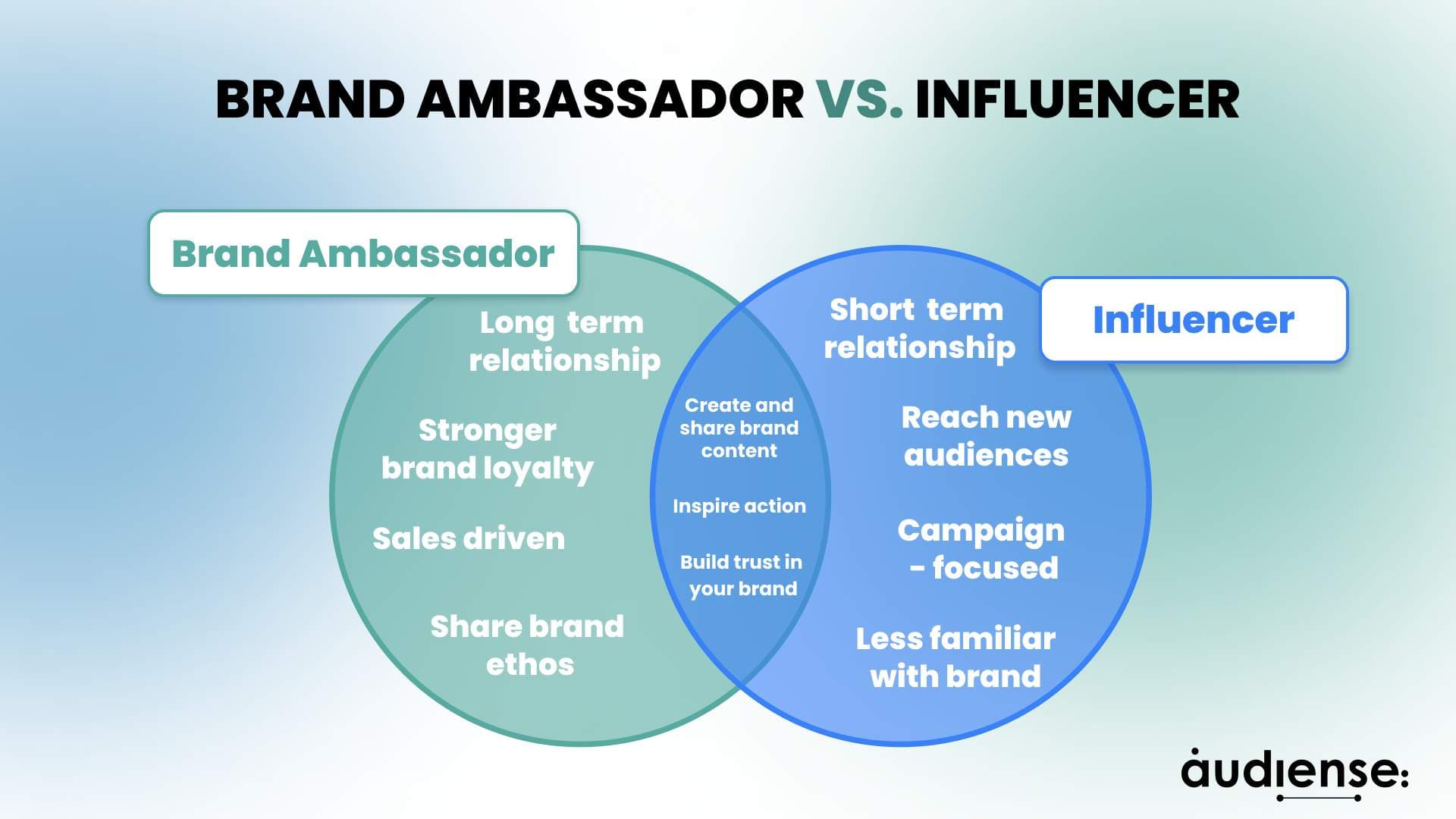
One-off collaborations rarely convert at scale. Audiences need repeated exposure to trust a brand.
When influencers promote your brand consistently over time, followers begin to associate the influencer with your product. This familiarity significantly boosts conversions.
Long-term partnerships also:
- Feel more authentic
- Improve brand recall
- Reduce content costs
- Strengthen influencer loyalty
A sustainable influencer marketing strategy focuses on relationships, not transactions.
Align Influencer Marketing with Your Sales Funnel
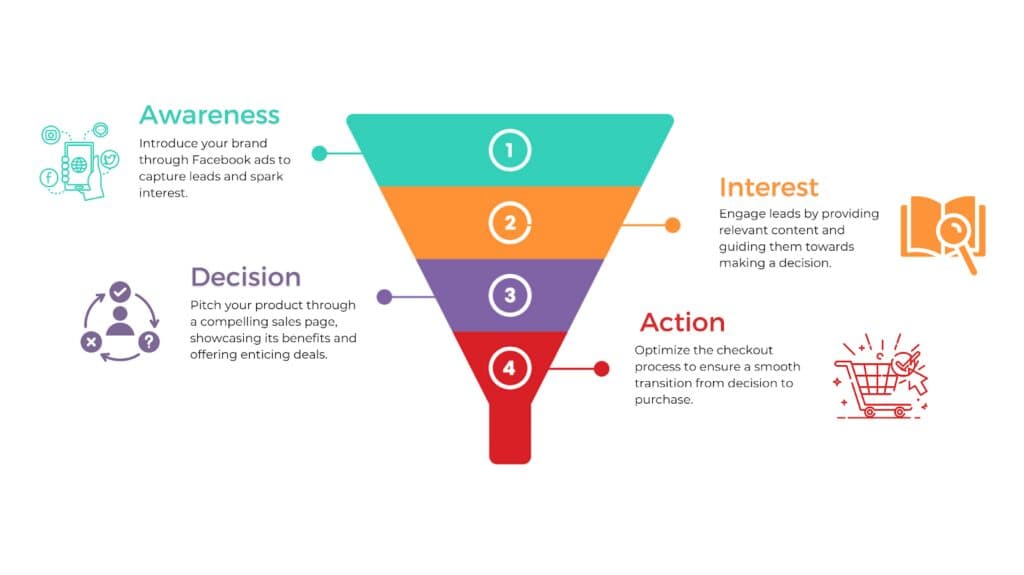
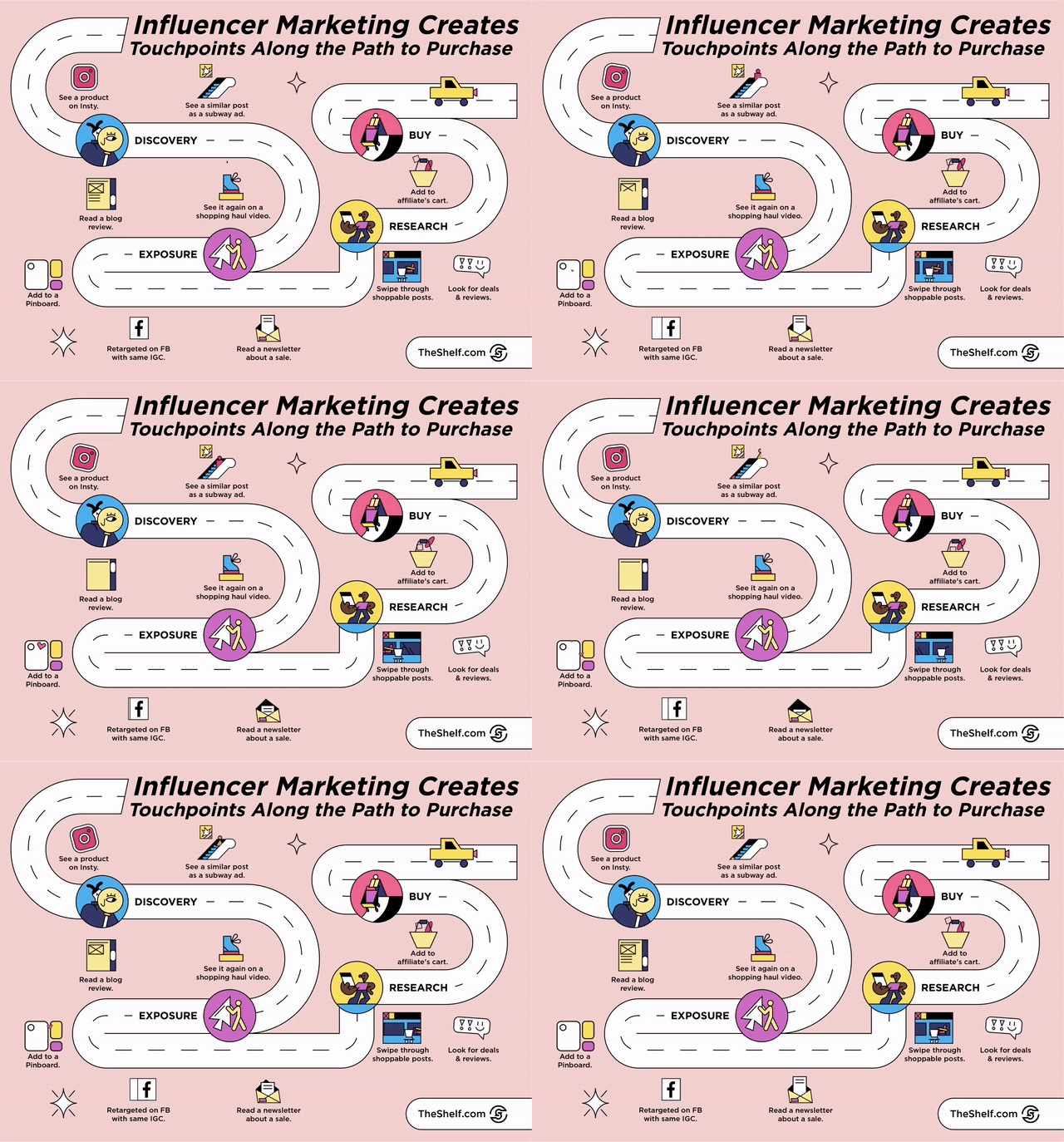
Influencer marketing should not operate in isolation. It must support your entire customer journey.
For example:
- Top of funnel: Awareness through reels and short videos
- Middle of funnel: Reviews, comparisons, and tutorials
- Bottom of funnel: Discount codes, testimonials, and urgency-driven posts
When your influencer marketing strategy aligns with your sales funnel, followers move smoothly from discovery to purchase.
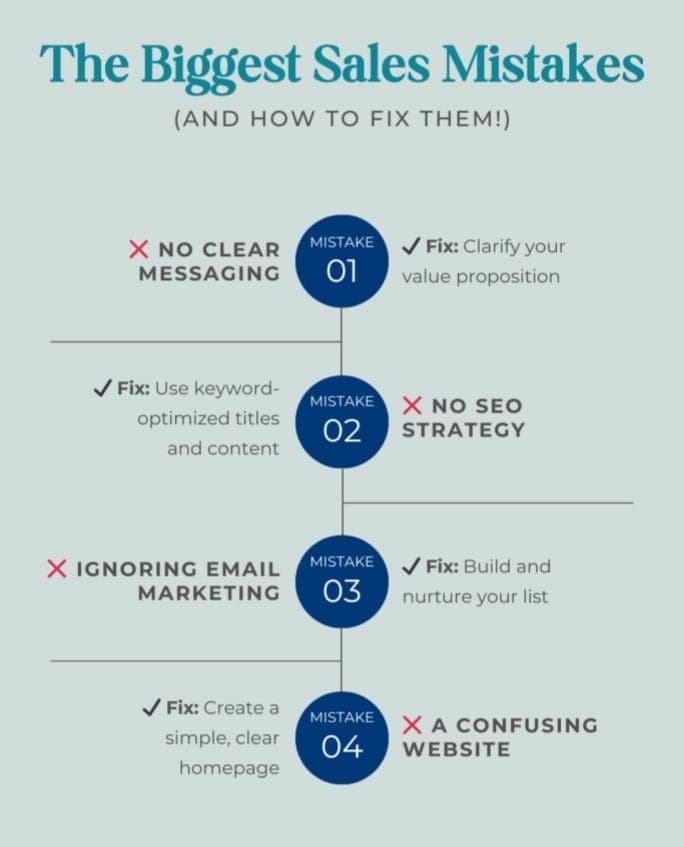
Avoid Common Mistakes That Hurt Conversions
Many brands fail because they repeat the same mistakes:
- Choosing influencers based only on followers
- Over-controlling content
- Ignoring audience fit
- Not tracking conversions
- Expecting instant results
Influencer marketing is a long-term game. Consistency, patience, and optimization lead to sustainable growth.
The Future of Influencer Marketing Is Conversion-Driven
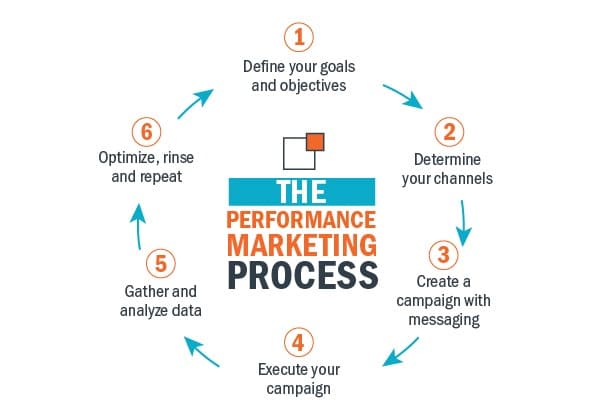
As audiences become smarter, brands must become more strategic. Vanity metrics will continue to lose importance, while performance-driven influencer marketing will dominate.
A successful influencer marketing strategy focuses on:
- Authentic storytelling
- Audience trust
- Clear value communication
- Data-backed decisions
- Long-term collaborations
When done right, influencer marketing does more than create buzz. It builds credibility, drives sales, and turns followers into loyal customers.
final thoughts:
Influencer marketing is no longer optional; it is essential. However, success depends on how strategically you execute it. By prioritizing trust, relevance, authenticity, and data, you can transform influencer audiences into real customers.
If you want your brand to grow sustainably in the digital age, invest time and effort into building a conversion-focused influencer marketing strategy. Followers will come and go, but customers build businesses.